PAMI
Elena KnowsPAMI is the public medical service considered by Elena and Rita as a possible source of medical assistance. Its place in their lives is shaped less by any account of its services than by one fatal delay: after its ambulance arrived too late to help Antonio, the family avoided turning to it again.
Public Service and Proposed Alternative
As Elena’s illness worsened and the expenses of her care increased, the women at the health insurance office asked whether she and Rita had tried to obtain treatment through PAMI. The question arose amid disputes over limits on reimbursed physical therapy, medication coverage, and other costs. For the insurance workers, PAMI was a possible public-service route; for the family, it carried the memory of a failed emergency response.
The Ambulance and Antonio’s Death
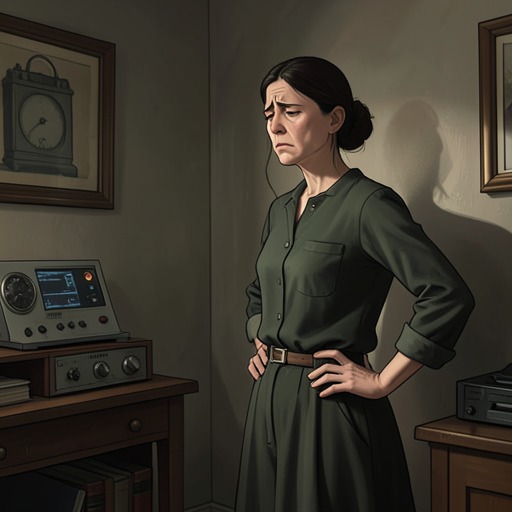
Elena and Rita had already waited more than an hour for a PAMI ambulance when Antonio lay dying of a heart attack on the kitchen floor. It arrived five minutes after he had died. Elena remembers the siren growing louder as it approached the house, while she already knew that help could no longer make a difference. The death occurred in the home where Elena later lives alone, making the delayed response part of the space’s personal history.
Consequences for Elena and Rita
After Antonio’s death, Elena and Rita avoided any mention of PAMI. Their refusal was grounded in a specific experience of waiting through an emergency and receiving assistance only after it was useless, rather than in a general account of the organization. Thus, when the insurance office later suggested PAMI as an alternative, the proposal met a barrier created by grief and remembered failure. The novel presents PAMI through this collision between an institution’s potential role as a source of public care and the family’s lasting distrust after its ambulance came too late.